
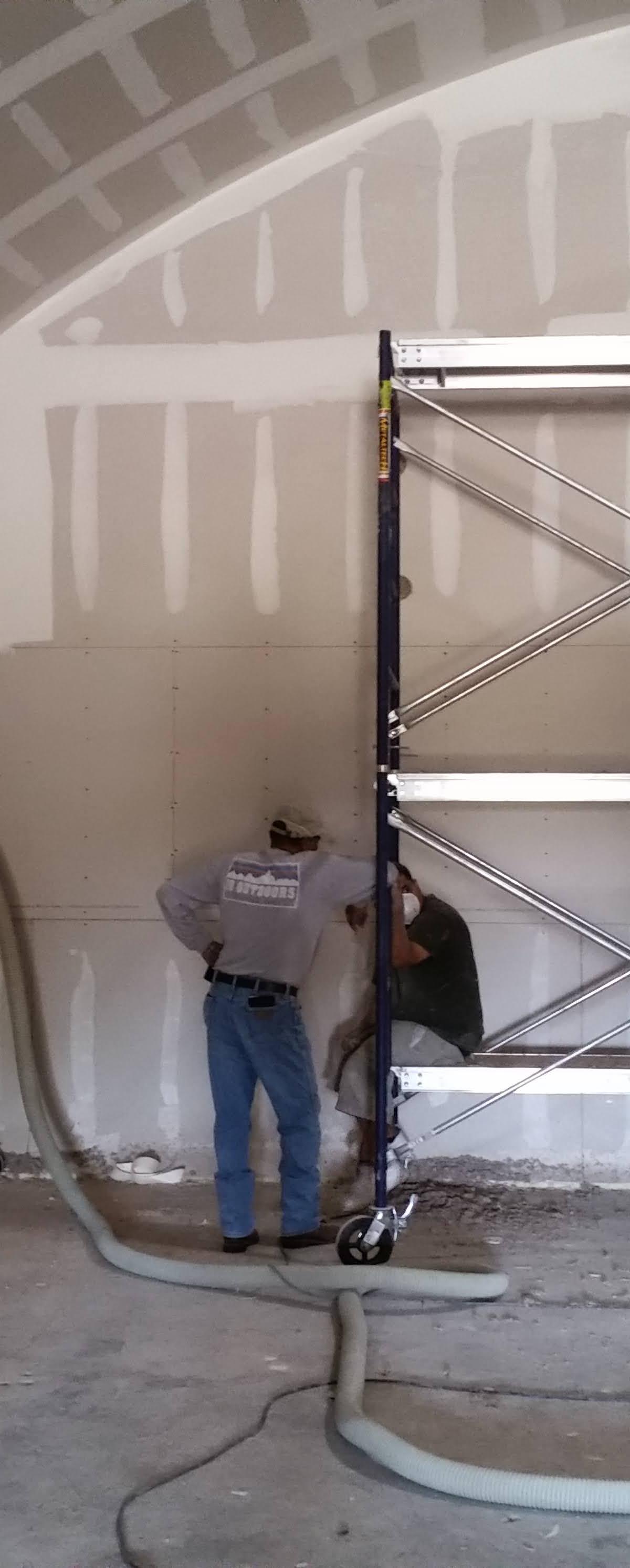
Are you a homeowner looking to upgrade your home's insulation? Whether you want to enhance energy efficiency, reduce utility bills, or improve comfort, choosing the right insulation type is essential. This comprehensive guide walks you through various insulation options—fiberglass, cellulose, spray foam, and more—along with their benefits, average costs, and where each type works best in your home.
Are you a homeowner looking to upgrade your home's insulation? Whether you want to enhance energy efficiency, reduce utility bills, or improve comfort, choosing the right insulation type is essential. This comprehensive guide will walk you through various insulation options—fiberglass, cellulose, spray foam, and more—along with their benefits, average costs, and where each type works best in your home.
Table of Contents
Understanding Insulation
Types of Insulation
Fiberglass Insulation
Cellulose Insulation
Spray Foam Insulation
Mineral Wool (Rock Wool) Insulation
Rigid Foam Board Insulation
Benefits of Insulation
Average Costs of Insulation
Choosing the Right Insulation for Your Home
Conclusion
Understanding Insulation
Insulation is a material used to slow down the transfer of heat. It helps keep your home warm in the winter and cool in the summer, making it crucial for energy efficiency. A well-insulated home can significantly reduce energy consumption and improve overall comfort.
Types of Insulation
Fiberglass Insulation
Description: Fiberglass insulation consists of tiny glass fibers and is one of the most common insulation types.
Benefits:
Fire Resistant: Non-combustible and does not burn.
Cost-Effective: Generally the least expensive option.
Sound Absorption: Reduces noise between rooms.
Average Costs: $0.50 to $2.00 per square foot, depending on thickness and installation type.
Best Locations: Attics, walls, and floors.
Cellulose Insulation
Description: Made from recycled paper products, cellulose is an eco-friendly insulation option.
Benefits:
Eco-Friendly: High recycled content makes it sustainable.
Pest Resistant: Often treated with pest-repellent chemicals.
Excellent Air Barrier: Reduces air leakage effectively.
Average Costs: $0.70 to $2.00 per square foot.
Best Locations: Walls, attics, and floors.
Spray Foam Insulation
Description: Spray foam expands on application, filling gaps and creating an airtight seal.
Benefits:
Superior Insulation: Offers the highest R-value (insulating power).
Air Barrier: Prevents moisture and air leaks.
Versatile Application: Can be used in hard-to-reach areas.
Average Costs: $1.00 to $3.00 per square foot.
Best Locations: Attics, crawl spaces, and around pipes.
Mineral Wool (Rock Wool) Insulation
Description: Made from natural minerals, mineral wool is known for its density and resistance to fire.
Benefits:
Fire Resistant: Can withstand high temperatures.
Soundproofing: Provides excellent acoustic insulation.
Water Resistant: Does not absorb water, preventing mold growth.
Average Costs: $1.00 to $2.50 per square foot.
Best Locations: Walls, ceilings, and attics.
Rigid Foam Board Insulation
Description: Rigid foam boards provide a solid layer of insulation that can be used in various applications.
Benefits:
High Insulating Value: Offers a high R-value in a thin profile.
Moisture Resistant: Ideal for basements and exterior walls.
Lightweight and Easy to Handle: Simple to install with proper adhesive.
Average Costs: $1.50 to $3.00 per square foot.
Best Locations: Basements, exterior walls, and roofs.
Benefits of Insulation
Energy Efficiency: Reduces energy consumption, leading to lower utility bills.
Comfort: Maintains consistent indoor temperatures.
Environmental Impact: Decreases carbon footprint through reduced energy use.
Noise Reduction: Minimizes sound transmission between rooms.
Average Costs of Insulation
The overall cost of insulating your home can vary widely based on factors like the type of insulation, the size of the area to be insulated, and labor costs. On average, homeowners can expect to pay between $1,000 and $3,500 for insulation upgrades in an average-sized home.
Choosing the Right Insulation for Your Home
When selecting insulation, consider:
Location: Different areas of your home may require different insulation types.
Budget: Factor in both material and installation costs.
Energy Efficiency Goals: Choose options with higher R-values for better insulation.
Consulting with a professional can provide valuable insights tailored to your specific needs.
Conclusion
Investing in insulation is a smart move for any homeowner. By understanding the types, benefits, and costs of insulation, you can make an informed decision that enhances your home's energy efficiency and comfort. If you're ready to take the next step, consider reaching out to a local insulation expert for personalized advice.
At Truficient we don't provide insulation in-house but we do have several Insulation contractors that we network with and send all of our Insulation requests to. If you're interested please send a note via email or use the contact form and we'll provide you one of our partners for spray foam or blown-in insulation