HVAC for Downtown Dallas and the Design District
Truficient serves residential and commercial HVAC clients across downtown Dallas and the Design District. Call 214-238-4349 or request a quote online.
Two Markets, One Service Area
Downtown Dallas and the Design District share ZIP codes but not building types. Downtown is high-rise condos, loft conversions, and mid-rise residential towers — 800 to 2,000 square feet of living space, often with floor-to-ceiling glass and exposed mechanical systems. The Design District is showrooms, studios, boutique offices, restaurants, and a growing number of townhomes and live-work spaces along Hi Line Drive and the surrounding streets.
Truficient works both sides. The HVAC challenges overlap more than you'd expect — solar gain management, humidity control, noise constraints, and the need for systems that fit into architecturally sensitive spaces without dominating them.
Downtown Condos and Lofts: The Glass-and-Humidity Problem
If you live in a downtown Dallas condo with floor-to-ceiling windows, you already know the pattern. The sun hits the glass in the afternoon, the temperature climbs, the AC kicks on at full blast, the room drops to setpoint, the system shuts off — and within 20 minutes the glass is radiating heat back into the space and the cycle starts over. The air feels cold when the system runs and stuffy when it doesn't. The thermostat says 72 but the room doesn't feel like 72.
This is a solar gain and humidity problem, and conventional single-stage or two-stage systems handle it poorly. They're designed around an on-off cycle — remove heat quickly, shut down, wait. In a glass-walled condo where the thermal load is continuous, that cycle creates temperature swings and lets humidity build between run cycles.
A variable-speed inverter system changes the dynamic completely. Instead of blasting at 100% and shutting off, the system runs continuously at 30-50% capacity — matching the solar load in real time. The evaporator coil stays cold and wet for hours, pulling moisture from the air steadily. The result: the condo holds temperature within a degree of setpoint, the humidity drops to a level where 74 or 75 degrees actually feels comfortable, and the system is so quiet you forget it's running. Many downtown residents find they can set the thermostat two or three degrees higher than they did with their old system and feel more comfortable, not less — because the humidity is genuinely controlled.
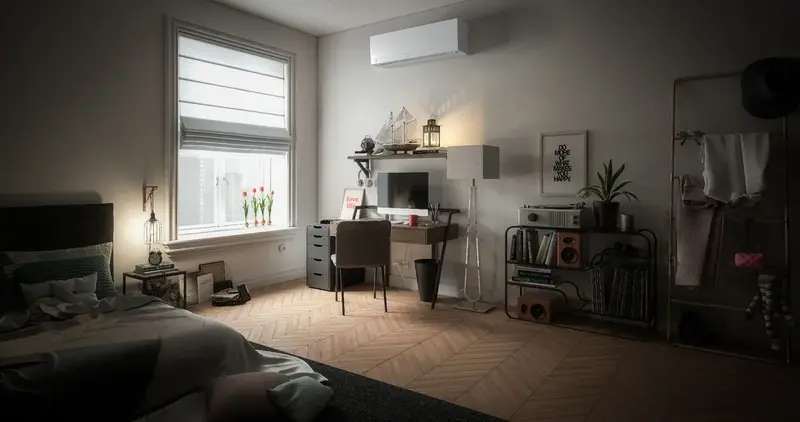
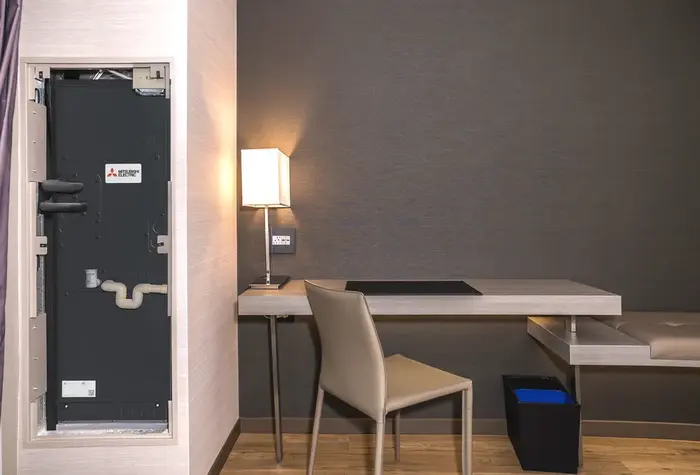
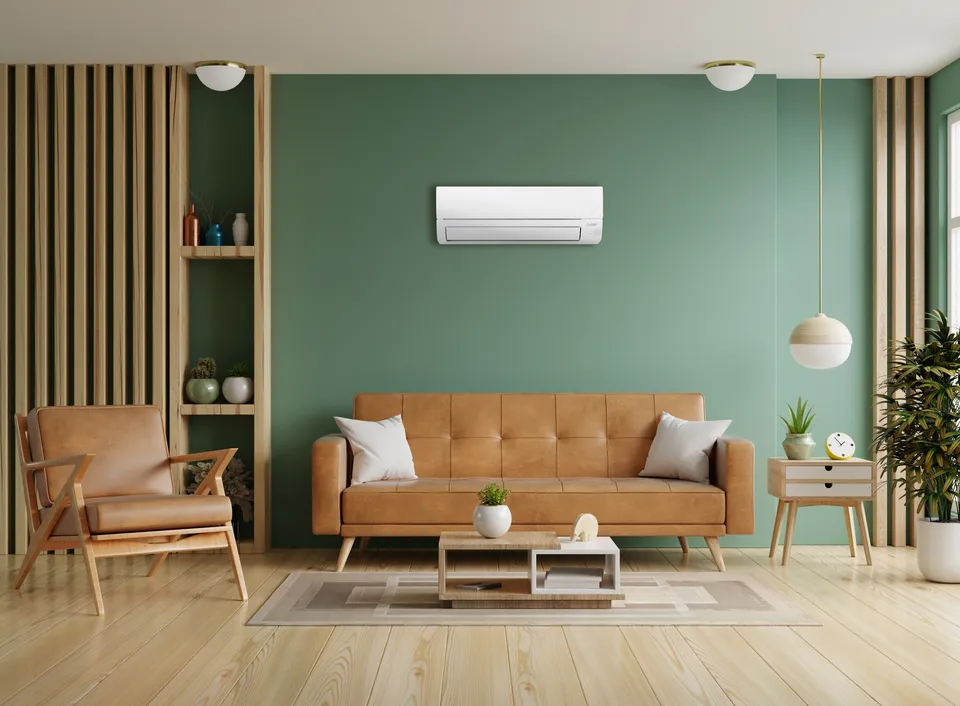
For condos without ductwork — and many downtown lofts have none — a Mitsubishi mini split is typically the right answer. Wall-mounted or ceiling cassette indoor units connect to a single outdoor unit on the balcony or rooftop mechanical area. No ductwork to install, no ceiling space to sacrifice. See Mitsubishi mini split options →
For condos and lofts with existing ductwork, an inverter ducted system delivers the same humidity and comfort benefits through the existing distribution. Truficient installs three ducted inverter brands, each with a different emphasis:
- Goodman — the most accessible inverter option. Genuine variable-speed performance at the most competitive equipment cost. Ideal when the priority is upgrading from single-stage to inverter without overbuilding.
- Bosch — exceptionally quiet operation. The outdoor unit is among the lowest-decibel inverters on the market, which matters in a downtown setting where the condenser sits on a balcony or in a courtyard a few feet from living space and neighbors.
- Trane TruComfort — the premium tier. 20 SEER2 efficiency, ComfortLink II communicating controls, WeatherGuard hail protection. For homeowners who want the best available performance and are investing long-term.
Design District Townhomes and Live-Work Spaces
The Design District's newer residential construction — townhomes along Hi Line, Stemmons corridor live-work units, and infill development west of the Market Center — presents different challenges than the downtown high-rises. These are typically 1,200 to 2,000 square-foot multi-level spaces with compact mechanical closets and tight attic or rooftop equipment areas.
Ducted inverter systems are usually the right approach here. The footprint supports ductwork, the layout benefits from centralized air distribution across two or three levels, and the mechanical spaces can accommodate a standard air handler and condenser setup. The variable-speed advantage in a townhome is thermal consistency across levels — the system runs at low capacity most of the day, keeping all three floors within a degree or two of each other instead of overcooling the main level while the top floor bakes.
Dehumidification matters in these spaces too. Multi-level townhomes with compact floor plans and modern construction tend to be tight — good for energy efficiency, but they trap moisture from cooking, showers, and the occupants themselves. A variable-speed system running at 40% capacity for long stretches keeps the evaporator coil cold enough to pull that moisture continuously, instead of cycling on and off and letting humidity creep between cycles.
Commercial HVAC: Showrooms, Studios, Restaurants, Retail
The Design District's commercial spaces — furniture showrooms along Oak Lawn, art galleries off Dragon Street, restaurants in Trinity Groves, boutique offices and creative studios throughout — have HVAC requirements that go beyond keeping people comfortable.
Showrooms and galleries need temperature and humidity control for inventory protection. Wood furniture warps. Artwork deteriorates. Fabrics absorb moisture and develop odor. A variable-speed commercial system running at consistent partial load maintains the stable environment these spaces require — not the 5-degree temperature swings and humidity spikes that come with conventional cycling equipment.
Restaurants have massive internal heat loads from cooking equipment, combined with high occupancy and frequent door openings. Commercial rooftop units need to handle rapid load changes without overcooling during slow periods or falling behind during a packed Friday service.
Offices and studios prioritize quiet operation and consistent comfort. A VRF (variable refrigerant flow) system serves multi-room commercial spaces with independent temperature control in each zone — the conference room at 70, the open workspace at 73, the server closet at 65 — all from a single outdoor condensing unit on the roof.
Truficient designs and installs commercial systems from single-zone rooftop units to multi-zone VRF for Design District businesses. Learn about commercial RTU replacement →
Equipment Access and Logistics in Downtown and the Design District
Installing HVAC in downtown Dallas is not the same as installing in a suburban home with a driveway and a side yard. Truficient handles the logistics that are specific to this area:
- Crane and hoist coordination for rooftop equipment on mid-rise and high-rise buildings
- HOA and building management approvals — most downtown condo buildings require architectural review for any equipment changes visible from exterior or common areas
- Noise ordinance compliance — equipment placed near balconies, courtyards, or pedestrian areas must meet City of Dallas noise limits. Inverter systems help here because they operate at lower sound levels at partial load
- Parking and access constraints — coordinating equipment delivery and installation access in buildings without loading docks or dedicated service entrances
These aren't afterthoughts. For downtown and Design District projects, they're part of the scope from the first conversation.
Related Pages
- Mitsubishi Mini Split — Ductless for Downtown →
- Mini Split Installation Downtown Dallas →
- Commercial RTU Replacement Dallas →
- Best Inverter AC Systems — Dallas Brand Comparison →
- Inverter vs. Single-Stage AC — Why It Matters →
Schedule HVAC Service for Downtown Dallas or the Design District
Whether it's a condo, a loft, a townhome, or a commercial space, Truficient designs and installs HVAC systems that fit the building, the use case, and the budget. Every project starts with a site assessment — we look at the space, the existing equipment, the ductwork (or lack of it), and the specific comfort issues you're dealing with.
Call 214-238-4349 or request a quote online.
Tools to Help You Decide
See Our Downtown / Design District Installations
Browse photos from real mini-split and heat pump installations in Downtown / Design District homes.
Get an Instant Estimate
Answer a few questions about your home and get a ballpark cost for your project.
Scan Your Home's Efficiency
Find out where your home is losing conditioned air and what upgrades make the most sense.