Ductless HVAC for Historic Homes in Dallas
Get a ductless assessment for your historic home → Request a Consultation or call 214-238-4349
The Problem Every Historic Dallas Homeowner Knows
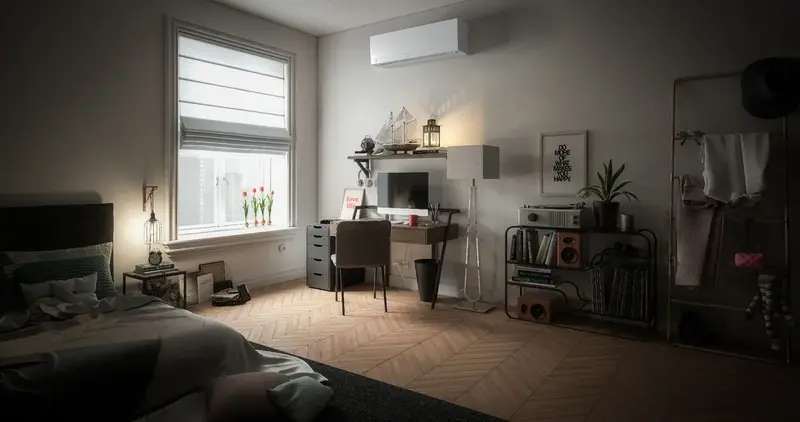
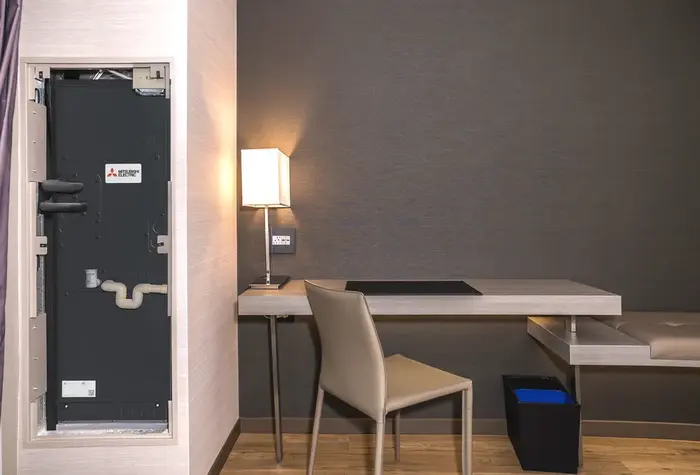
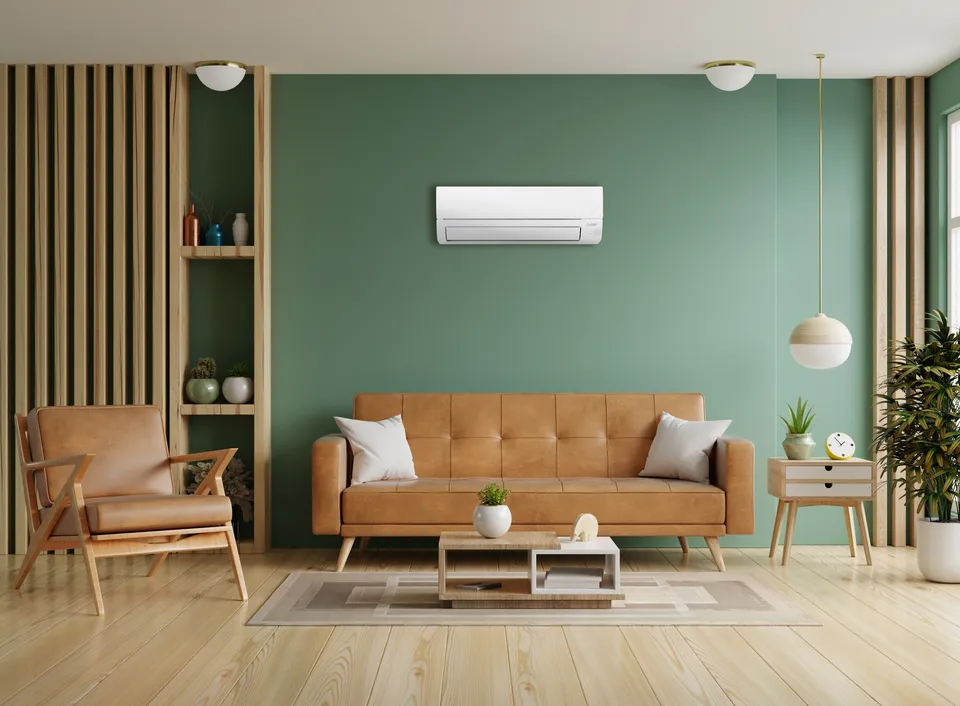
Dallas's most architecturally significant neighborhoods — Oak Cliff's Winnetka Heights, Lakewood, the M Streets, Swiss Avenue, the Munger Place Historic District — are full of homes built between 1900 and 1950. Ductless mini-splits deliver conditioned air directly into each space without any ductwork at all. No soffits. No wall penetrations beyond a 3-inch hole. The building stays intact.
How Dallas's Historic Home Types Break Down
Pre-1920 homes — Two-story Colonial Revival, Craftsman, and Victorian-influenced homes. Multi-zone ductless systems are the standard approach.
1920s–1930s Craftsman bungalows — Compact floor plans, the clearest ductless candidates.
1930s–1940s Tudor, Colonial, and transitional styles — Multi-zone ductless with ceiling cassettes where exterior appearance is important.
Late 1940s–1950s postwar homes — Replacement with ductless often makes more financial sense than duct replacement.
Ductless Installation in a Historically Sensitive Context
Line set routing — Minimizing visibility from the street.
Indoor unit placement — Most effective for air distribution and least intrusive architecturally.
Historic district requirements — Designed to comply with typical historic district requirements.
Three Brands for Dallas Historic Homes
Mitsubishi — The benchmark. 12-year warranty. Indoor units operate at sound levels comparable to a quiet library.
Daikin — Excellent performance below Mitsubishi price. Competitive ceiling cassette options.
Gree — Entry-level ductless systems for modest budgets.
Get a Ductless Assessment for Your Historic Home
Call 214-238-4349 or request one online.
See also: Bishop Arts mini-split | 1940s bungalow HVAC guide
Tools to Help You Decide
See Our Dallas Installations
Browse photos from real mini-split and heat pump installations in Dallas homes.
Get an Instant Estimate
Answer a few questions about your home and get a ballpark cost for your project.
Scan Your Home's Efficiency
Find out where your home is losing conditioned air and what upgrades make the most sense.