HVAC Near Love Field: Airport Corridor Heat and the Residential Neighborhoods Caught Between Two Hot Zones
The Love Field area of Dallas sits in a thermally significant position in the city's heat island map: directly north of the Medical District — confirmed in NOAA's studies as one of Dallas's three hottest zones — and surrounded on multiple sides by commercial and industrial infrastructure that generates sustained heat. Dallas Love Field Airport, the Lemmon Avenue commercial corridor, and the intersection of two major urban arterials create a zone where ambient temperatures during summer afternoons are structurally elevated above regional norms.
NOAA's 2024 Dallas heat island study found temperature differentials of up to 12°F between the city's hottest zones and its greener residential areas. The Love Field corridor sits toward the hot end of that range — not because of a single extreme driver, but because of the cumulative effect of airport operations, commercial strip development, and adjacency to one of the city's identified hottest zones.
What Airport Operations Contribute to the Heat Island
Dallas Love Field is a busy commercial airport — Southwest Airlines' second-largest base — operating continuous flight operations through the summer months. Airport environments contribute to local heat island conditions through several mechanisms:
Jet exhaust and APU (auxiliary power unit) emissions. Aircraft engines and ground support equipment generate significant anthropogenic heat while aircraft are taxiing, holding, or parked at gates.
Massive impervious surface coverage. The runways, taxiways, and aprons of Love Field represent hundreds of acres of dark paved surface that absorb and retain solar radiation.
Limited vegetation buffer. Airport security perimeters and operational constraints typically prevent the kind of tree canopy development that could provide an evapotranspiration buffer between the airport's thermal footprint and the adjacent residential neighborhoods.
The Lemmon Avenue and Northwest Highway Corridors
The commercial strips flanking the Love Field residential neighborhoods — Lemmon Avenue to the south and Northwest Highway to the north — carry the standard heat island characteristics of high-traffic commercial arterials: dark pavement, commercial rooftops with limited shade, and the aggregate AC condenser waste heat from dense commercial development.
Properties on the residential blocks between these corridors are effectively surrounded by heat-generating infrastructure on multiple sides.
Love Field's Residential Housing Stock
The residential neighborhoods surrounding Love Field include a mix of mid-century ranch homes and post-war bungalows, primarily built in the 1950s and 1960s.
Attic duct loss in a heat island environment. Dallas summer attics reach 130–150°F during peak afternoon hours. Duct systems running through unconditioned attic spaces lose 20–35% of conditioned air to leakage and conduction before it reaches living spaces.
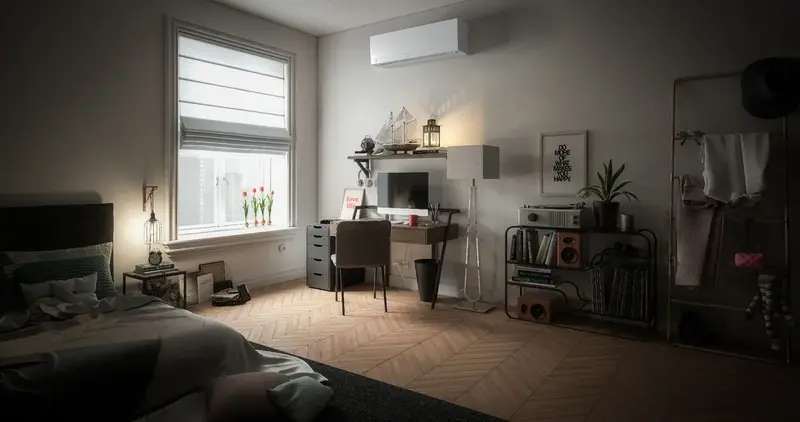
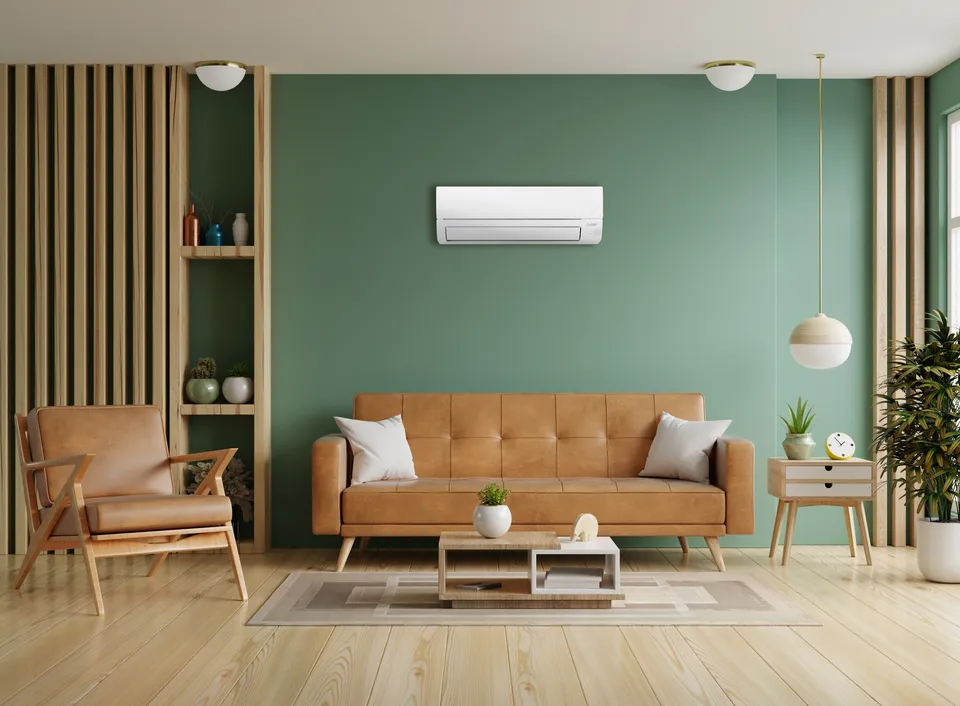
Ductless mini-split retrofits eliminate the attic equation entirely. For Love Field area homes, a ductless mini-split system delivers conditioned air directly to the living space without routing through the attic.
Commercial Properties Near Love Field
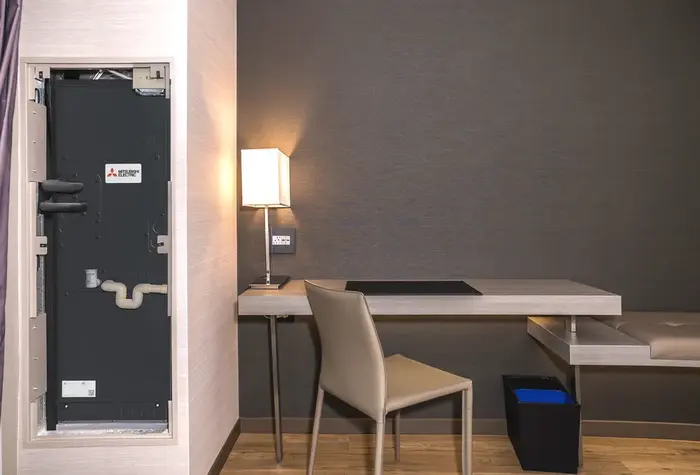
For commercial operators near Love Field, Mitsubishi and Daikin commercial mini-split configurations replace aging RTU equipment with high-ambient-rated, variable-capacity systems engineered for sustained operation in elevated outdoor conditions.
Oncor Rebates for Love Field Properties
Love Field area properties are in Oncor Electric Delivery's service territory. Oncor offers rebates of up to $1,000 for qualifying high-efficiency residential HVAC installations.
See how Oncor rebates and Federal credits stack →
Read the full Dallas Urban Heat Island Research Report →
See the Medical District — one of Dallas's three hottest zones, immediately south →
Tools to Help You Decide
See Our Love Field Installations
Browse photos from real mini-split and heat pump installations in Love Field homes.
Get an Instant Estimate
Answer a few questions about your home and get a ballpark cost for your project.
Scan Your Home's Efficiency
Find out where your home is losing conditioned air and what upgrades make the most sense.