Preston Hollow Heat Island HVAC Guide: Why Premium Estates Need Advanced Cooling
Your $2M+ Preston Hollow estate has south and west glass exposure that amplifies heat island conditions. Single-zone central AC can't handle variable loads across multiple wings. Mitsubishi multi-zone inverter cooling delivers precision comfort and 12-year warranty protection. → Request a Free Evaluation or call 214-238-4349
The Preston Hollow Urban Heat Island Profile
Preston Hollow is Dallas's premier residential address: large estate lots (0.5–1.5 acres), sophisticated homes ($1.5M–$5M+), tree-lined streets, and an image of controlled luxury. Yet Preston Hollow sits directly in a Dallas urban heat island zone—and its specific profile demands a different HVAC solution than smaller central air systems can provide.
Why Preston Hollow is different:
- Large estates (6,000–12,000 sq ft) with extensive south and west glass exposure
- Heated pool decks, spas, and tennis courts that radiate stored solar heat into the attic and mechanical spaces
- Long driveway and parking surfaces that amplify ambient heat in summer
- Homes built primarily 1970s–1990s with original or aging single-stage HVAC systems oversized for their era
- Premium market where comfort failures (uneven zone temperatures, humidity swings, system downtime) are unacceptable
Real heat island conditions in Preston Hollow:
- Summer peak ambient: 105–112°F (vs. 102°F at DFW Airport)
- Urban heat island effect: 8–12°F hotter than surrounding rural areas
- Pool decks and pavement surface temps: 145–160°F (radiating heat until 8–10 p.m.)
- Attic temperatures over mechanical spaces: 140–160°F
- Typical AC runtime in peak season: 14–18 hours/day
- Summer electric bill: $200–$350/month (premium estates with pools higher)
The premium market demands a precision cooling solution, not a one-size-fits-all central system.
Why Preston Hollow Estates Create Uneven Cooling Challenges
Architectural Heat Gain: South and West Glass Exposure
Preston Hollow estates are architecturally sophisticated with:
- Large south-facing windows (living rooms, dining areas, home offices)
- West-facing master suites and secondary bedrooms (afternoon heat gain peaks 2–6 p.m.)
- Extensive sliding glass doors (pool decks, outdoor entertaining areas)
- Skylights and architectural skylights (direct solar gain in upper floors)
Glass transmits 80–90% of solar energy into living spaces. On a 105°F day, a single-pane or early dual-pane window in a glass wall creates a 15–25°F local temperature gain at the surface, radiating into the adjacent room.
Problem: A whole-home central system treats all 6,000–12,000 sq ft as one zone. When the west wing hits 78°F at 4 p.m. and the east wing (shaded) is still 72°F, the central thermostat (usually located in a hallway or core area) reads 75°F and cycles off. Result: west wing creeps to 80–82°F while the system tries to cool the entire home to 75°F at the thermostat.
Pool Deck and Pavement Heat Re-radiation
Heated pool decks, spas, and extended concrete/pavement surfaces absorb solar heat all day and re-radiate it into the home's mechanical spaces and lower roof areas well into the evening. This sustained heat source:
- Keeps mechanical room temperatures elevated (120–140°F) even after sunset
- Drives heat into lower-level living spaces (basements, sunrooms) through floor slabs
- Requires extended AC runtime to compensate for the re-radiating surface heat
Aging Single-Stage Systems Oversized for Current Load
Most Preston Hollow estates built 1970s–1990s have original or 15–20-year-old air conditioning systems sized to cool the home at design conditions (99°F outdoor, 75°F indoor). These systems are typically oversized by 10–20% for the actual current load, meaning they:
- Cycle on/off frequently (short-cycling = energy waste and component stress)
- Can't modulate down in variable load conditions (west wing hot, east wing cool)
- Lose efficiency significantly on humid summer days (when dehumidification demand is high but cooling demand is lower)
What This Means for Your Cooling Comfort and Efficiency
Single-Zone Central AC Performance Problems
A single thermostat in a 6,000+ sq ft home cannot address variable heat loads across multiple wings:
- West wing at 4–6 p.m.: Solar gain from west-facing glass reaches peak; room temps spike to 78–80°F
- East wing simultaneously: Morning heat gain has dissipated; shaded rooms hold 71–72°F
- Central thermostat response: Cycles on/off erratically, trying to balance incompatible demands
- Result: Some spaces overheat (master suite), others over-cool (east bedrooms), residents adjust individual thermostats or close vents (creating pressure imbalance and further inefficiency)
Energy Inefficiency in Heat Island Conditions
- Single-stage compressors running at 100% capacity for sustained high-ambient operation (105–112°F) stress components and lose efficiency quickly
- Oversized systems cycle on/off in variable load conditions = 20–30% efficiency loss vs. a properly sized system
- Constant thermostat adjustments and vent tampering create pressure imbalances that force the system to work harder
Typical energy cost: $200–$350/month in peak summer.
Humidity Control Challenges
Premium estates often feature extensive glass, pool areas, and spa facilities. When ambient humidity is high (Texas summer = 60–70% RH), humidity management becomes critical:
- Single-stage systems cool to setpoint but don't dehumidify independently
- Pool areas and spa spaces create localized humidity spikes that spread through open floor plans
- Dehumidification demands and cooling demands often conflict (dehumidification requires longer runtime at low capacity; cooling wants high capacity for fast temperature drop)
The Mitsubishi Multi-Zone Inverter Solution for Preston Hollow
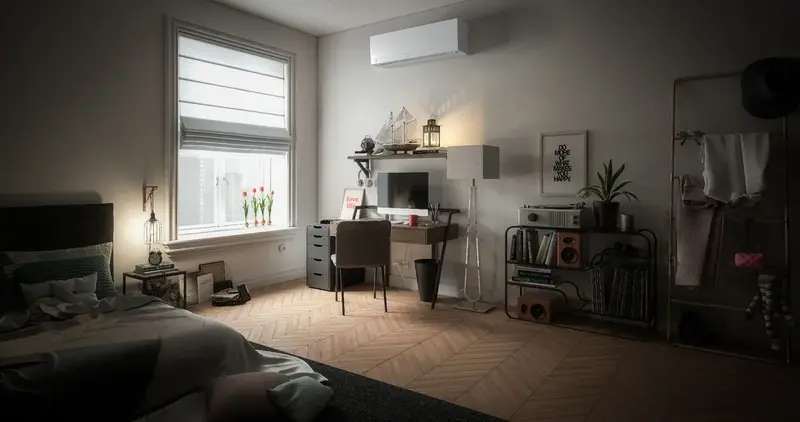
Mitsubishi's high-end P-Series and MXZ-series systems are engineered specifically for premium estates with variable cooling loads and advanced comfort requirements.
How Multi-Zone Inverter Cooling Solves Preston Hollow Heat Island Conditions
Single-zone central HVAC:
- One thermostat. All zones serve the same demand.
- Compressor at 100% or off—no modulation.
- Cannot balance competing thermal loads.
Mitsubishi multi-zone inverter (P-Series or MXZ-4C/5C systems):
- 2–6 independent indoor zones (one per major space: master wing, secondary bedrooms, living areas, pool area)
- Inverter compressor modulates capacity per zone demand in real-time. If west wing needs 100% capacity and east wing needs 40%, the outdoor unit delivers exactly that.
- No cycling. Smooth, continuous modulation = superior comfort and efficiency.
- Zoned dehumidification: Each zone can run cool-only (for dehumidification) while neighboring zones are in heating or standby.
Performance Gains Specific to Preston Hollow
- Temperature uniformity: 1–2°F variance across the home vs. 6–10°F in central systems
- Energy savings: 30–40% reduction vs. aging single-stage systems; 25–35% vs. newer central units
- Humidity control: Independent dehumidification in pool areas, spas, and high-load zones
- Quiet operation: Premium estates value silence; Mitsubishi outdoor units at 22–25 dB respect neighborhood aesthetics
- 12-year Diamond Dealer warranty: Parts + labor coverage on a system that will handle Preston Hollow's demands for 20+ years
Specific Multi-Zone Configuration for Preston Hollow Estates
Typical 6,000+ sq ft estate with distinct zones:
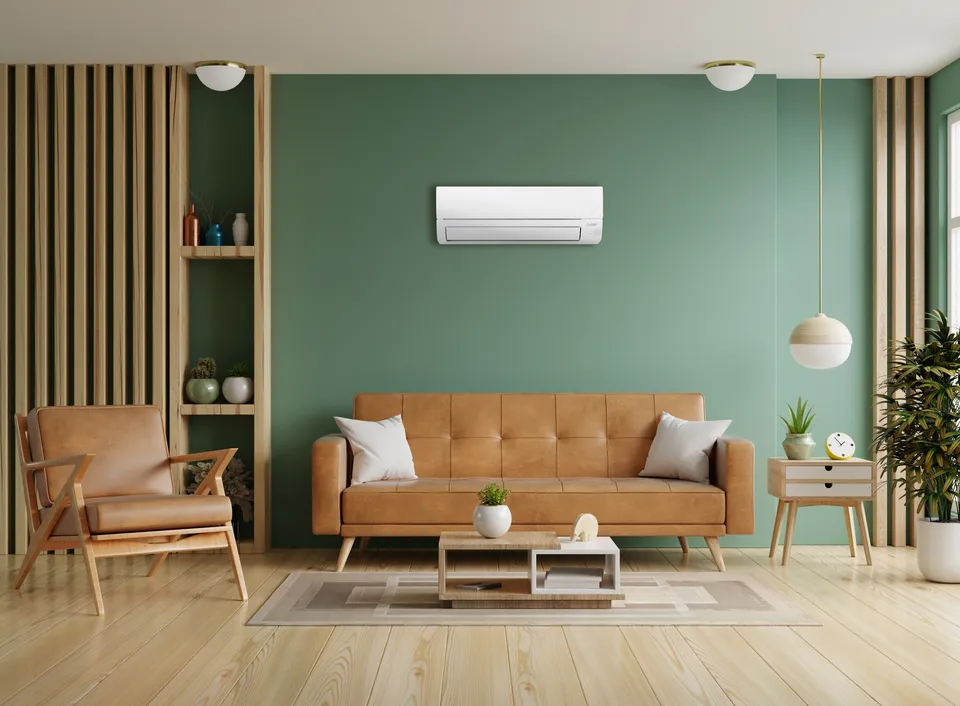
- Master suite wing (south/west exposure): MSZ-FH24NA (2 ton) or larger wall-mount or low-profile indoor unit
- Secondary bedrooms (east exposure): MSZ-FH18NA (1.5 ton)
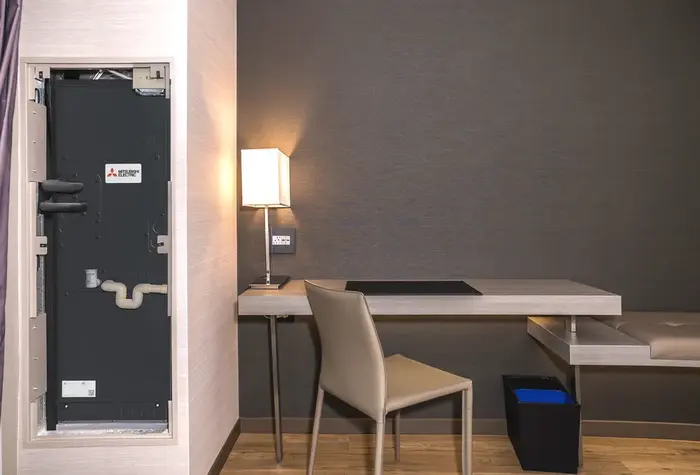
- Living room + dining (central): Ceiling cassette (hidden in existing drop ceilings)
- Pool area + spa zone (ground level): Separate wall unit or slim duct cassette
- Home office or library (premium finish): Slim wall-mount or ceiling cassette
Outdoor unit: MXZ-5C48NAHZ (5-zone variable refrigerant flow system)
- Single inverter compressor modulates to serve all 5 zones simultaneously
- Each zone runs independently at its own temperature setpoint
- Capacity automatically balances across zones based on real-time demand
Efficiency rating: SEER2 24–26+
System Recommendations by Preston Hollow Estate Type
Modern Glass-Dominated Estates (2000s–2010s construction)
System: Mitsubishi MXZ-4C42NAHZ (4-zone VRF) + MSZ-FH wall/cassette mix
- Why: Modern homes have less insulation, larger glass areas—need more zoning granularity
- Zone layout: Master (west), secondary bedrooms (east/north), living/dining (central), kitchen/service areas
- Efficiency: SEER2 24+, handles sustained 105–112°F ambient without capacity derating
Classic Preston Hollow Estates (1970s–1990s with pools and spas)
System: Mitsubishi MXZ-5C48NAHZ (5-zone VRF) + MSZ-FH + ceiling cassettes
- Why: Estate homes need independent control for master wing, guest suites, living areas, mechanical/pool areas, and outdoor entertaining spaces
- Zone layout: Master suite, guest wing, main living area, kitchen/service, and separate pool/spa circuit
- Dehumidification advantage: Pool areas can run dehumidification-priority mode independently
- Efficiency: SEER2 25+, modulates 10–100% across 5 zones simultaneously
Historic Estates (1930s–1960s architecture with preservation requirements)
System: Mitsubishi MLZ-FH ceiling cassettes + MSZ-FH wall mounts in matching finishes
- Why: Preserves architectural character while delivering modern efficiency
- Placement: Hidden in existing ceilings, walls painted to match historic trim
- Zone control: 3–4 zones positioned in key thermal load areas (west bedrooms, living room, kitchen, entry)
- Aesthetic benefit: No visible ductwork; all mechanical elements blend into existing architecture
Real Numbers: Costs, Savings, and 12-Year Protection
Equipment and Installation
- 4-zone system: $4,500–$6,500 (equipment + installation)
- 5-zone system: $6,000–$8,500
- Typical Preston Hollow estate: 5-zone system = $6,500–$8,000 installed
Mitsubishi 12-Year Diamond Dealer Warranty
- Parts: 12 years on compressor, outdoor coil, reversing valve, expansion device
- Labor: 12 years on installation labor (most contractors offer 1–5 years)
- Registration: Truficient handles all warranty registration and claims
Texas Heat Pump Rebate
- Up to $2,500 for replacing electric AC with inverter heat pump mini-split
- All Mitsubishi systems qualify (SEER2 18+)
- Truficient handles rebate paperwork
Energy Savings in Preston Hollow Context
- Current system: $200–$350/month (peak summer)
- Mitsubishi 5-zone system: $120–$180/month (peak summer)
- Monthly savings: $80–$170
- Annual savings: $960–$2,040
- Payback period: 5–7 years on equipment cost
- System lifespan: 20+ years (multi-zone inverter systems rarely fail; compressors modulate, reducing wear)
Long-Term ROI for Preston Hollow Estates
- Equipment + installation (after rebates): $4,000–$6,000
- Annual energy savings: $1,200–$2,000
- Annual avoided repair costs (aging single-stage systems fail July–August): $400–$1,000
- Comfort premium (no thermostat wars, uniform temps, independent zoning): Priceless
- Resale appeal (modern multi-zone system is a premium feature in $2M+ market): +$5,000–$15,000 sale price boost
Why Multi-Zone Ductless Makes Sense for Preston Hollow
- Precision comfort. 2–6 independent zones = every space reaches its setpoint without over/under-cooling neighbors
- Variable load handling. Modulating inverter compressor tracks real-time demand across zones (west wing 100%, east wing 40%, simultaneously)
- Quiet operation. Outdoor unit 22–25 dB respects neighborhood aesthetic and premium home ambiance
- Dehumidification control. Pool areas, spas, and humid zones can run independent humidity management
- 12-year warranty. Diamond Dealer protection gives Preston Hollow buyers long-term peace of mind
- No attic ductwork. Eliminates duct losses, simplifies installation in complex estates
- Resale value. Modern, efficient multi-zone system is a premium feature in luxury residential market
- Sustained high-ambient efficiency. Handles 105–112°F+ ambient without component stress or efficiency loss
Ready to Upgrade to Precision Estate Cooling?
Preston Hollow homes demand a heating and cooling solution that matches their architectural sophistication and thermal complexity. Single-zone central air treats your 6,000+ sq ft estate as one zone—impossible to optimize comfort and efficiency across multiple wings with competing heat loads.
Mitsubishi multi-zone inverter systems are engineered for exactly this scenario.
Your next step:
- Request a Free Home Evaluation — we'll assess your heat exposure, zone priorities, and design the right system
- Call 214-238-4349 for a free consultation with an HVAC engineer familiar with Preston Hollow estates
Truficient handles all rebates, financing, and 12-year warranty registration.
See How Preston Hollow and North Dallas Neighbors Upgraded Their HVAC
- Highland Park / SMU area heat challenges? → Highland Park HVAC Cooling Solutions
- Multi-zone mini-split technology explained → Mitsubishi Multi-Zone Mini-Split Cooling Dallas
- Dallas urban heat island overview → Dallas Urban Heat Island HVAC Solutions
Final CTA
Truficient Energy Solutions | Mitsubishi Diamond Dealer
📞 214-238-4349 📍 Serving Preston Hollow, Highland Park, North Dallas
Request a Free Evaluation | View Multi-Zone Options | See Our Preston Hollow Projects
Tools to Help You Decide
See Our Preston Hollow Installations
Browse photos from real mini-split and heat pump installations in Preston Hollow homes.
Get an Instant Estimate
Answer a few questions about your home and get a ballpark cost for your project.
Scan Your Home's Efficiency
Find out where your home is losing conditioned air and what upgrades make the most sense.