Cold Room in Winter? Here's the Dallas HVAC Diagnostic
One room never warm enough in winter, even when the thermostat reads 72°F? The problem is solvable. Here's how. → Request a Quote or call 214-238-4349
Why Some Dallas Rooms Stay Cold Even When the System Runs
Dallas winters are short and mild — average January high temperatures in the mid-50s, overnight lows below 25°F are rare. But Dallas homes still get cold-room complaints in the December-February stretch, especially during the 3-4 cold snaps per winter when nighttime lows drop into the teens.
The pattern is consistent: the thermostat reads 72°F (the system "thinks" the home is warm), but one specific room runs 64-67°F. Common rooms that stay cold:
- North-facing bedrooms that don't get afternoon sun
- Bedrooms over an unheated garage (cold floor + cold air infiltration through the garage envelope)
- Rooms at the end of long ductwork runs (the supply register at the far end of the supply trunk gets less airflow than registers closer to the air handler)
- Bonus rooms with exterior wall + roof exposure on multiple sides
- Rooms with original single-pane windows in older homes
- Finished basements (less common in Dallas but present in some homes — cold floor and walls)
The single-thermostat HVAC architecture can't satisfy these rooms. The thermostat hits its setpoint based on the temperature it reads in its location, and shuts off the system before the cold room reaches comfort.
The Five Most Common Causes
1. Ductwork delivery problem (most common). Long ductwork runs lose airflow at the far end. If the cold room is 30+ feet of ductwork from the air handler, that register may be delivering 50-70% of the airflow that closer registers receive. The thermostat satisfies based on the conditioned-air-rich rooms; the cold room never catches up.
2. Insufficient system capacity for cold-snap conditions. Older heat pump systems lose capacity as outdoor temperatures drop. A heat pump rated for 36,000 BTU at 47°F might deliver only 24,000 BTU at 25°F. If the system is sized close to the design heating load at moderate outdoor temperatures, cold snaps push it past capacity. The cold room is the first room to feel it.
3. Building envelope gaps. Insulation gaps in exterior walls or attic, missing or degraded weatherstripping at exterior doors, single-pane original windows, or unsealed framing penetrations all amplify infiltration heat loss in the cold room.
4. Backup heat strips not engaging or sized inadequately. Many Dallas homes with heat pumps have electric resistance backup ("heat strips") that's supposed to engage when the heat pump can't keep up. If the strips aren't wiring correctly to the control board, they don't engage. Or they engage but are too small for the building's actual peak heating load.
5. Single-thermostat HVAC in a multi-zone-need home. When the thermostat is in a warm room (sunny living room) and the cold room is in a different microclimate (back bedroom over the garage), single-thermostat control structurally can't satisfy both. The fix is multi-zone HVAC.
Diagnostic Approach
When you call us about a cold room, the assessment covers:
1. Per-room temperature measurement. We measure indoor temperature in each room across the home — at multiple times of day during cold conditions if needed.
2. Per-room load calculation (Manual J). We calculate the heating load for each room based on exterior wall area, window area, ceiling exposure, infiltration rate. The math identifies whether the room is genuinely undersized in the existing system.
3. Ductwork inspection. We measure ductwork condition, identify air leakage, and quantify per-room airflow delivery using anemometer readings at registers.
4. Equipment capacity test. We document the system's delivered capacity at the cold-snap operating conditions — outdoor temperature, indoor return temperature, supply temperatures at registers.
5. Building envelope inspection. We identify infiltration points contributing to the cold room — failed weatherstripping, single-pane glazing, attic insulation gaps, framing penetrations.
6. Backup heat verification. For heat pump systems, we verify the heat strips engage at the correct outdoor temperature and deliver their rated capacity.
The deliverable is a written assessment with the specific cause identified and recommended interventions.
Common Solutions
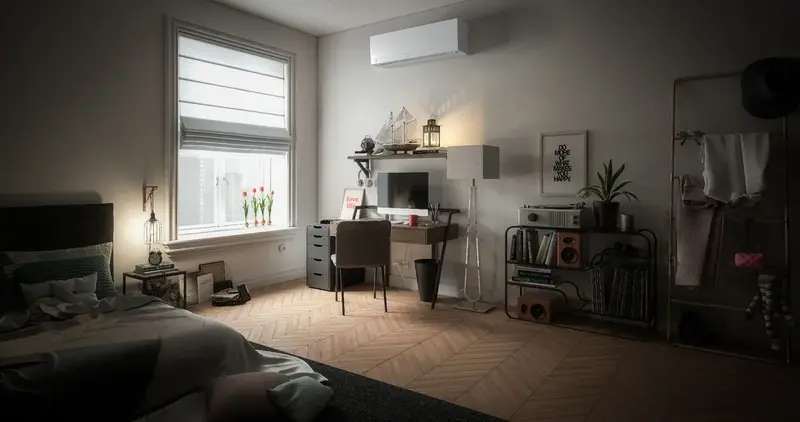
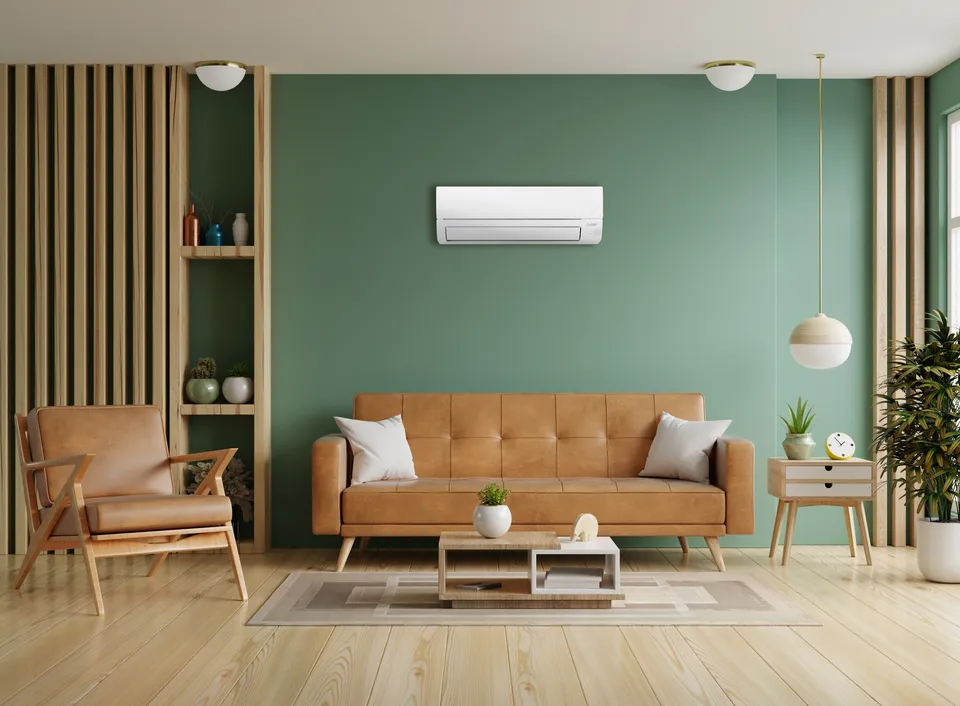
Solution 1 — Multi-zone ductless mini-split for the cold room. A single-zone Mitsubishi mini-split at 9,000-12,000 BTU dedicated to the cold room provides independent heating capacity and independent setpoint. Heat pump operation down to 5°F (Hyper-Heat models continue to -13°F), well below anything Dallas typically sees. The cold room runs to its own setpoint regardless of what the rest of the home is doing.
This is the most common solution for the chronic single-cold-room problem. Doesn't require modifying the central system. More on mini-split installation →
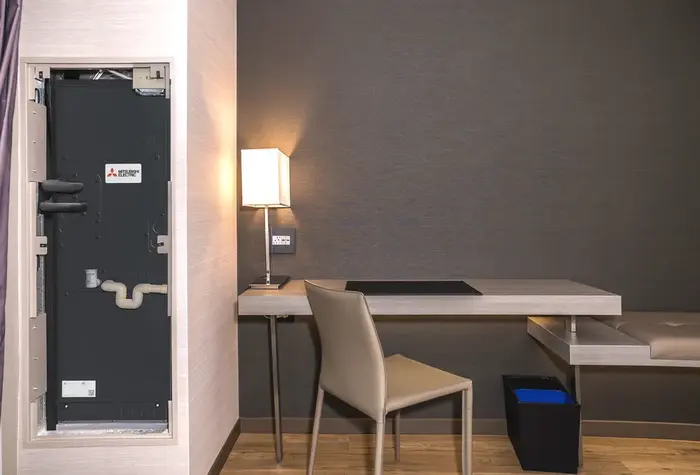
Solution 2 — Replace the central system with inverter heat pump + multi-zone configuration. For homes where the cold-room problem is part of a broader pattern (multiple rooms running cold, central system aging), a Mitsubishi P-Series ducted heat pump with multi-zone capability replaces the existing system entirely. Per-zone independent control fixes the chronic complaint. More on heat pump installation →
Solution 3 — Ductwork sealing and insulation upgrade. When the diagnostic points specifically to ductwork loss as the cause (long supply run, degraded ductwork insulation, separated joints), mastic-sealing existing ductwork joints and replacing failed insulation can restore proper airflow delivery to the cold room.
Solution 4 — Building envelope improvements. Weatherstripping replacement, window upgrades, attic insulation top-off — these address heat loss directly rather than HVAC capacity.
Most cold-room cases involve more than one cause. The right intervention is typically Solution 1 (single-zone mini-split for the cold room) plus addressing the building envelope contributors.
Heat Pump vs Gas Furnace for Cold Rooms
Some Dallas homes with chronic cold-room complaints have been adding gas-fired space heaters or considering switching from heat pump to gas furnace. The honest analysis:
Modern Mitsubishi Hyper-Heat (H2i) heat pumps deliver coefficient-of-performance values above 3.0 across the typical Dallas heating-season temperature range. They're rated for full heating capacity at 5°F and continued operation to -13°F. Dallas heating loads have collapsed (warmer climate, tighter envelopes), and the heat pump operating cost case beats gas furnace economics in most applications.
Gas-fired space heaters as cold-room solutions create indoor air quality problems (combustion byproducts in the conditioned space) and aren't the right answer. The right answer is a properly-sized inverter heat pump dedicated to the cold zone.
For the broader heat pump vs gas furnace economic case, see Heat Pump vs Gas Furnace Dallas.
When the Cold Room Is Part of a Bigger Issue
If the cold room is paired with other comfort complaints — uneven temperatures across multiple rooms, high humidity in summer, high electric bills — the underlying issue is usually a broader HVAC architecture problem rather than just the one cold room. See:
- Uneven Temperatures Throughout Home Dallas — multi-zone diagnostic
- DFW Humidity Hub — humidity context
- Heat Pump Installation Dallas TX — full replacement service hub
Get a Diagnostic Visit
If you have a chronic cold-room problem in your Dallas home, an assessment identifies the specific cause and the right intervention.
Call 214-238-4349 or request a diagnostic online.
Truficient is a Mitsubishi Diamond Dealer with engineering-driven HVAC diagnostics for Dallas homes.
Tools to Help You Decide
See Our Dallas Installations
Browse photos from real mini-split and heat pump installations in Dallas homes.
Get an Instant Estimate
Answer a few questions about your home and get a ballpark cost for your project.
Scan Your Home's Efficiency
Find out where your home is losing conditioned air and what upgrades make the most sense.